The Complete Guide to Wall Plastering in Singapore: Why Your Walls Are Cracking & How to Fix It
Published: July 2026
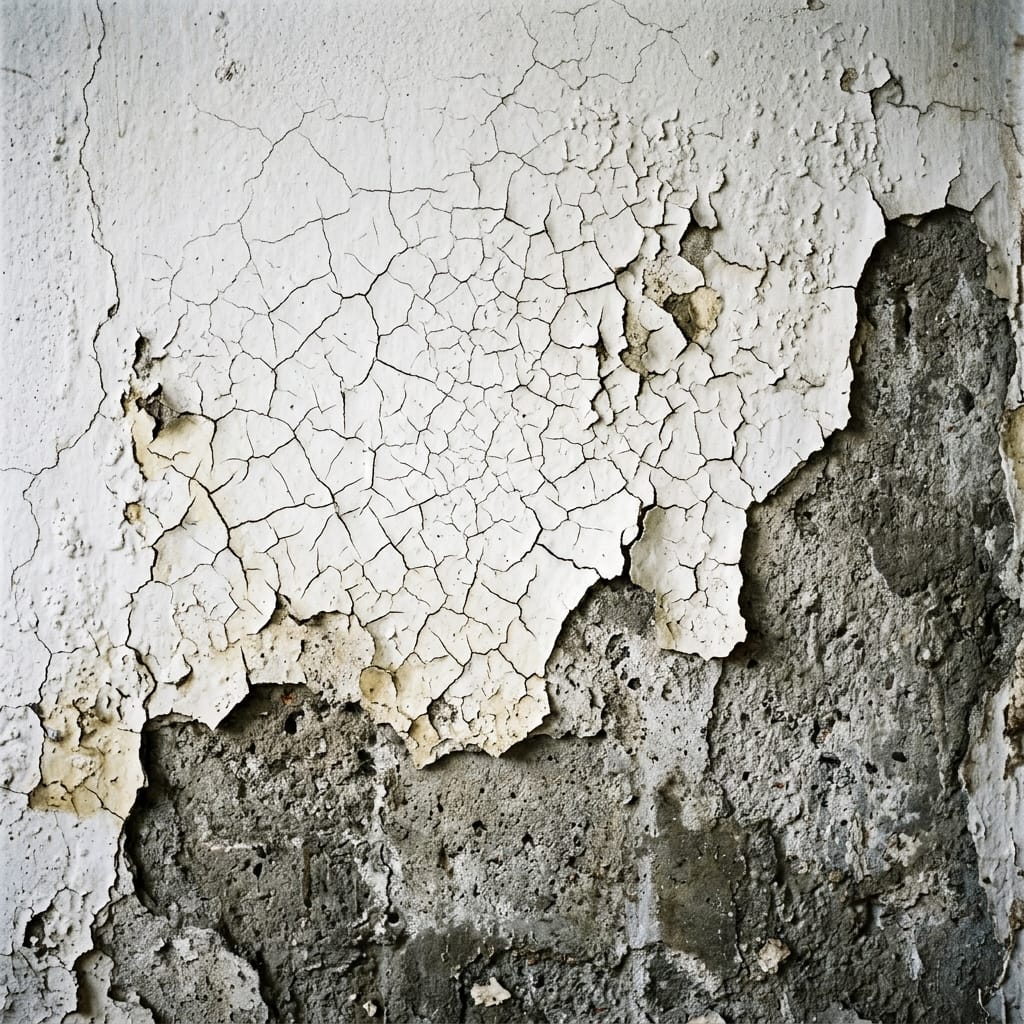
If you live in an older HDB flat or a condominium built before 2010, you have probably noticed it: those unsightly, spiderweb-like “hairline cracks” crawling across your living room wall. Or perhaps the paint near your skirting boards is constantly bubbling, flaking, and falling onto the floor.
Most homeowners think this is a paint problem. They buy a bucket of premium paint, spend their weekend rolling it over the cracks, only to find the exact same cracks reappearing three months later.
Here is the hard truth: You don’t have a paint problem; you have a plastering problem.
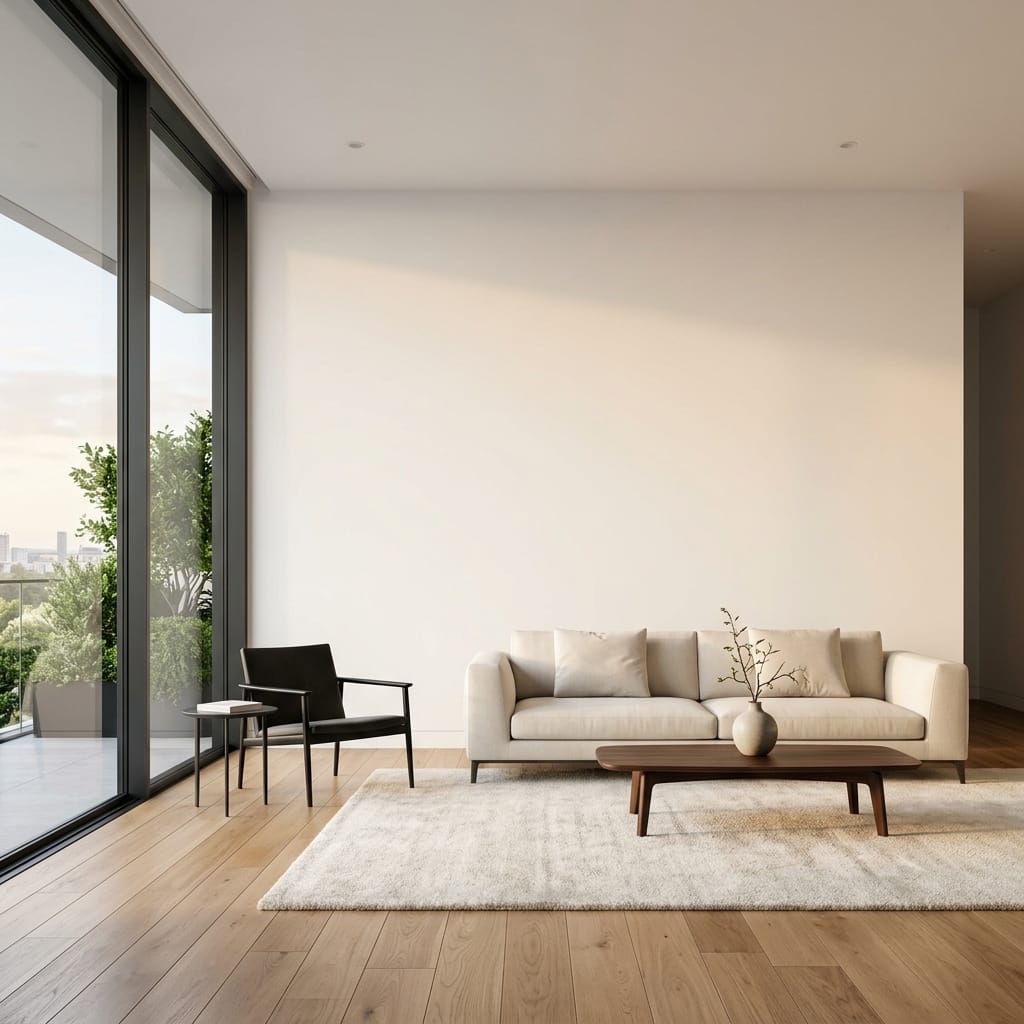
In this complete guide, we will explain exactly why your walls are deteriorating, why painting over it is a waste of money, and how professional “skim coating” is the only permanent fix to achieving those flawlessly smooth walls you see in high-end showrooms.
—
1. Why Are Your Walls Cracking and Peeling?
Before you can fix the wall, you need to understand why it is breaking down. Walls in Singapore face a brutal combination of high humidity, structural settling, and age.
- Thermal Expansion & Contraction: Singapore’s climate is hot and humid. When you blast the air-conditioning at night and turn it off during the day, the concrete walls expand and contract microscopically. Over a decade, this constant movement cracks the brittle layer of plaster beneath your paint.
- Moisture Seepage: If your wall is shared with a bathroom or an external facade, microscopic moisture slowly penetrates the concrete. This moisture pushes outward, breaking the bond between the paint and the wall, leading to the dreaded “bubbling” and peeling effect.
- Settlement Cracks: All buildings settle over time. As the foundation shifts slightly, stress fractures appear on the weakest parts of the wall, usually above door frames and windows.
—
2. The Myth of “Painting Over It”
When you hire a cheap, fly-by-night painter to refresh your old HDB, they will usually do a “touch up”. They scrape away the loose paint, slap on some cheap filler compound, sand it roughly, and paint over it.
Because they didn’t treat the underlying structural weakness of the old plaster, the new wet paint actually accelerates the peeling process. The moisture from the new paint soaks into the old, degraded plaster, causing the entire patch to detach from the concrete wall.
To fix a decaying wall permanently, you must go back to the bare concrete. This is where Skim Coating comes in.
—
3. What is Skim Coating? (The Professional Plastering Method)
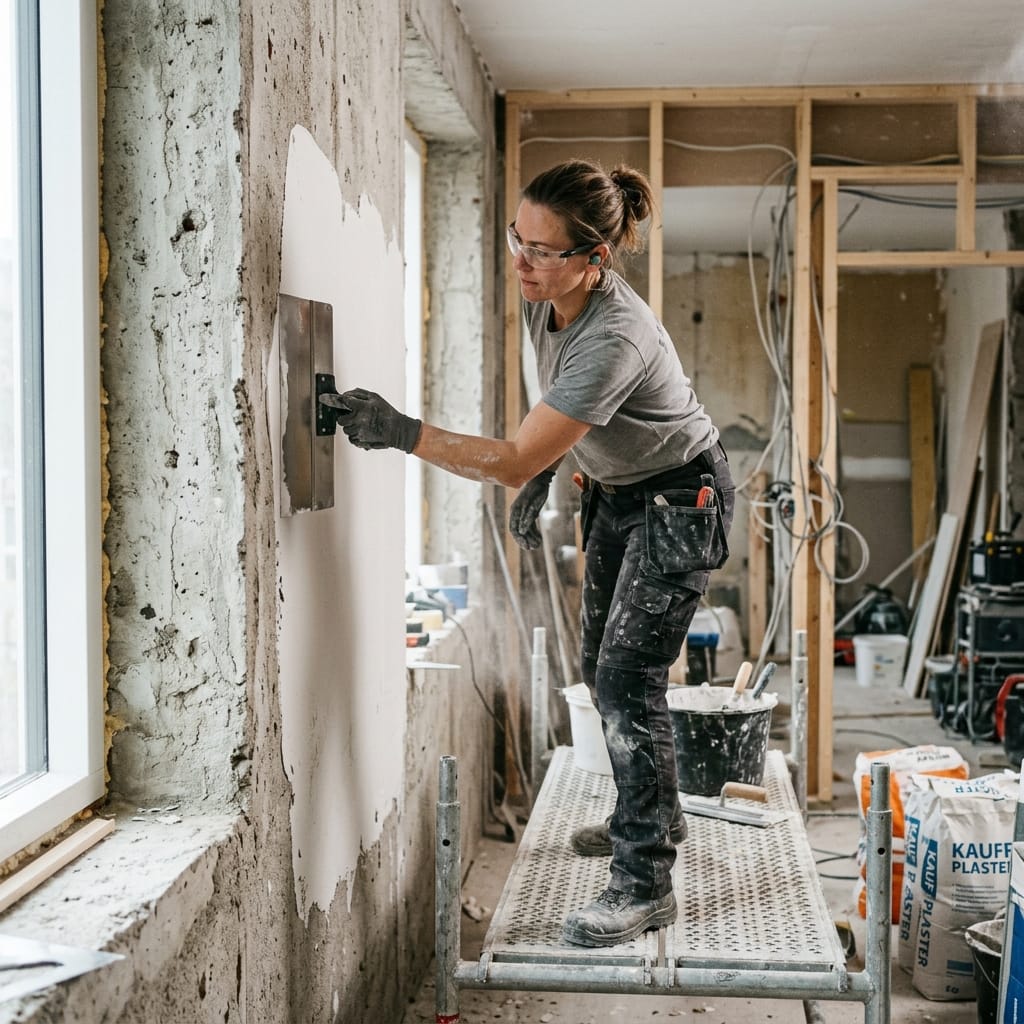
Skim coating is a highly skilled plastering technique used to smooth out rough, damaged, or uneven concrete walls. It is the secret behind the flawlessly flat, matte walls you see in luxury hotels.
The 4-Step Skim Coating Process:
1. Preparation & Scraping: The contractor aggressively scrapes away all existing flaky paint and degraded plaster down to the solid concrete substrate.
2. Sealer / Primer Application: A layer of oil-based or specialized water-based sealer is applied to bind the dusty concrete and block moisture from seeping outward.
3. The Skim Coat (Plastering): Using a wide trowel, a master plasterer applies a thin layer (2mm – 3mm) of specialized polymer-modified cement across the entire wall. This requires immense physical skill to ensure it is perfectly flat without trowel marks.
4. Sanding & Painting: Once the plaster cures into a rock-hard surface, it is sanded to a glass-like finish, primed, and painted with two coats of premium topcoat.
—
4. Wall Plastering Cost Guide (Singapore)
How much does it cost to fix your walls properly? Unlike standard painting (which is priced by the size of the flat), plastering and skim coating are highly labor-intensive and are usually priced based on the severity of the damage.
| Service Type | Estimated Cost | Best For |
| Patch Plastering (Localized) | $150 – $300 per spot | Fixing localized water damage (e.g., near a window) or patching up holes left by removed aircon trunking. |
| Full Wall Skim Coat (1 Room) | $500 – $800 per room | Bedrooms with extensive spiderweb cracks on all 4 walls, preparing for a high-end matte paint finish. |
| Full House Skim Coat (3/4 Room HDB) | $2,500 – $4,500 | Older resale flats (20+ years old) where the original plaster is completely degraded and crumbling. |
| Ceiling Plastering (Spalling Concrete) | $300 – $600 per patch | Bathrooms and kitchens where moisture has caused the ceiling concrete to break off, exposing rusted rebar. (Requires HDB-approved structural repair methods). |
Note: The prices above are estimates for the plastering works and usually do not include the final full-house painting package.
—
5. Why Choose Nouvelle Workz for Your Plastering Needs?
Wall plastering is an art form. A bad skim coat job will leave your walls looking wavy and bumpy—a defect that becomes painfully obvious the moment sunlight hits the wall at an angle.
At Nouvelle Workz, our master plasterers have decades of experience restoring the most degraded HDB and condo walls in Singapore. We don’t believe in temporary cover-ups. We strip the problem down to the concrete, treat it with commercial-grade sealers, and rebuild a perfectly smooth, durable surface that will last for another 15 years.
Tired of Cracks and Peeling Paint?
Stop wasting money on temporary paint jobs. Send us photos of your damaged walls today for a free assessment and a direct-contractor quotation to fix it permanently.
Need the work done rather than explained? We handle wall and ceiling plastering for HDB, condo and commercial properties across Singapore — see our plastering contractor services or Contact us at for a quote.