BTO Defect Checking Guide (2026)
Collecting the keys to your new HDB BTO flat is an exciting milestone. However, before you rush to bring in your interior designer or direct contractor, there is one critical step you must complete: BTO Defect Checking.
Many new homeowners in Singapore make the mistake of starting their renovation without a thorough defect inspection. Once renovation works commence, the HDB Building Service Centre (BSC) will no longer be liable for most defects, leaving you to bear the repair costs. In this comprehensive 2026 guide, Nouvelle Workz breaks down exactly what you need to look out for, how to report issues, and how to seamlessly transition into your renovation phase.
Why You Must Check for Defects Before Renovation
Your BTO flat is covered by a 1-year Defects Liability Period (DLP) provided by HDB. This warranty covers flaws in workmanship and materials.
If you engage a contractor to start hacking walls or laying tiles before clearing these defects, HDB can rightfully claim that the damages were caused by your renovation works.
The Ultimate BTO Defect Checklist
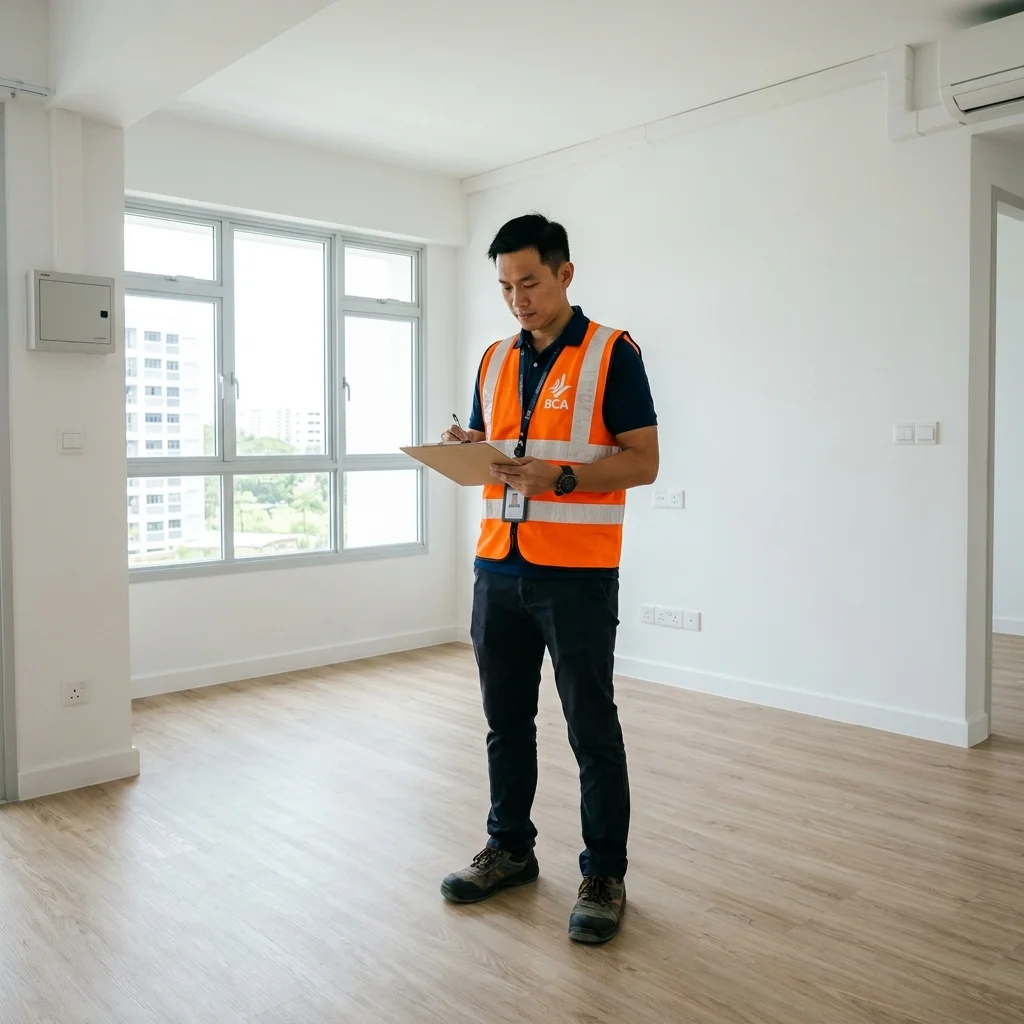
When you enter your flat for the first time, bring a flashlight, masking tape, a leveler, and a tapping rod. Here are the 5 critical areas you must inspect:
1. Flooring and Tiling Defects
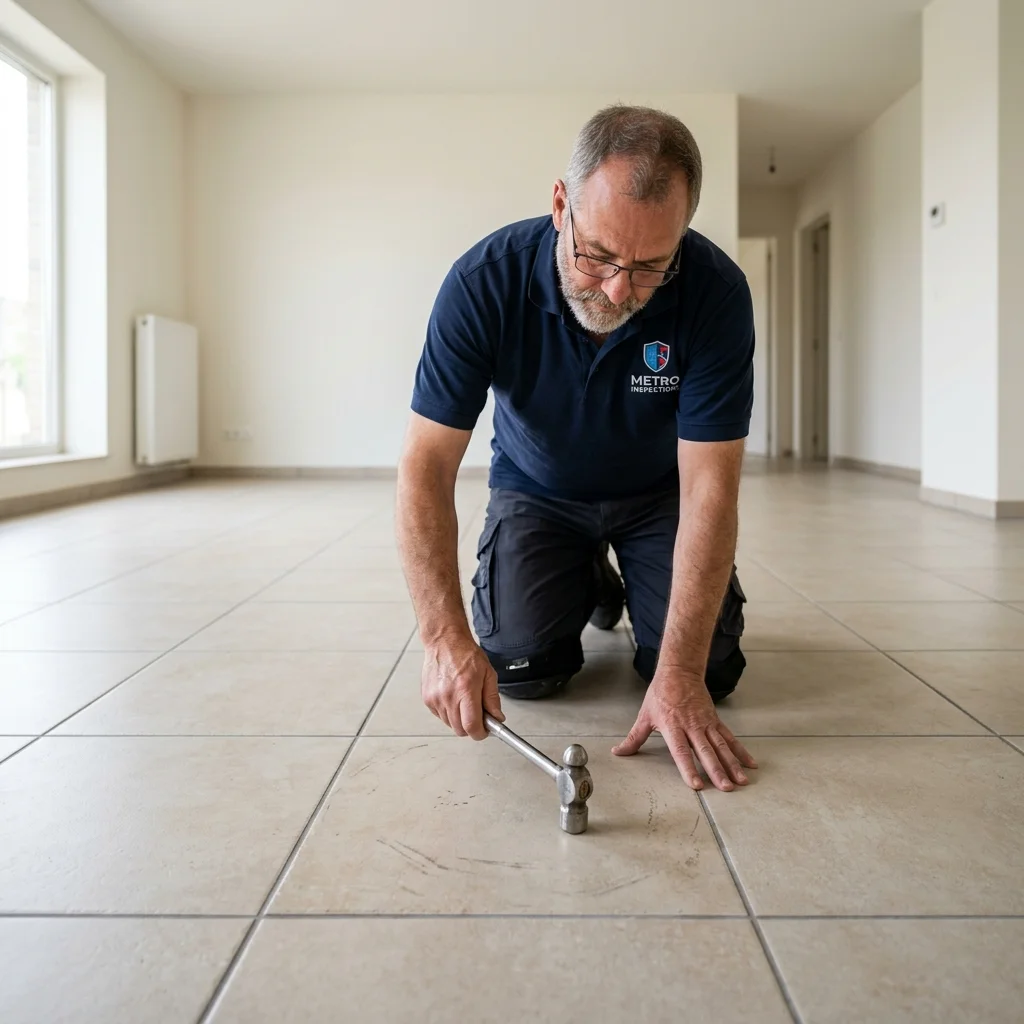
The most common issue in BTO flats is hollow tiles. Using a tapping rod (or a coin), gently tap every tile in the living room, kitchen, and bathrooms.
2. Walls and Ceiling (Plastering Issues)
Shine your flashlight parallel to the walls to spot imperfections that are invisible under normal room lighting.
3. Windows and Doors
Functionality and safety are key here.
4. Plumbing and Sanitary Fittings
Turn on the main water supply and test everything.
5. Electrical and Switch Sockets
Bring a phone charger to test the power.
The BSC Reporting Process
Once you have identified the defects:
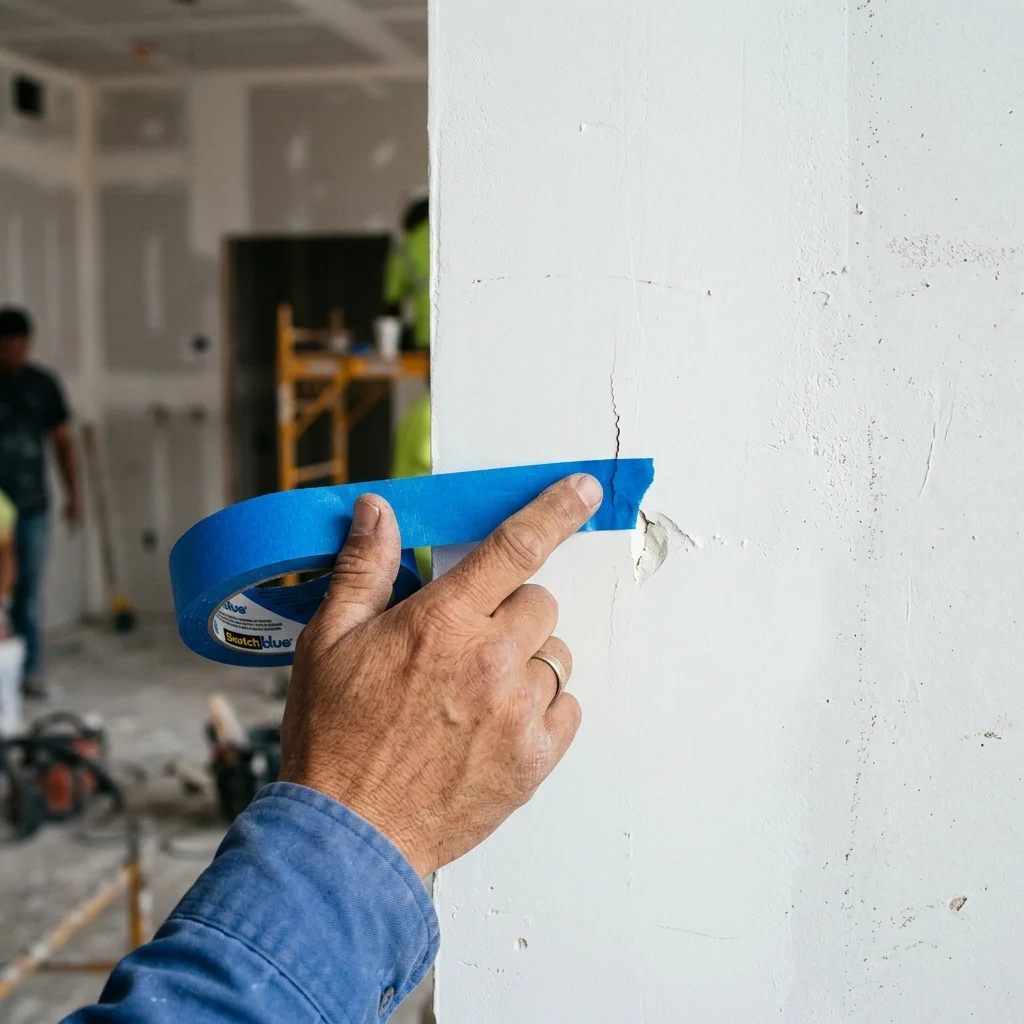
1. Mark Them: Use masking tape to physically mark the defect on the wall or floor. Write a short description on the tape (e.g., “Hollow Tile”).
2. Document: Take clear photos of every marked defect.
3. Submit: Submit the defect list online via the HDB portal or hand the physical form to the onsite BSC.
4. Joint Inspection: A BSC representative will arrange a joint inspection with you to verify the claims.
HDB typically takes 14 to 30 days to rectify the defects. Only after you have signed off on the final rectification should you give your contractor the green light to commence work.
Seamless Transition to Renovation
Defect checking can be exhausting, but it lays the foundation for a flawless home. Once the defects are cleared, you want a renovation partner who maintains that same standard of meticulous quality.
As a BCA-registered and BizSAFE Level 3 direct contractor, Nouvelle Workz specializes in transforming empty BTO flats into stunning homes. Because we operate as a direct builder—handling our own masonry, carpentry, and electrical works—we save you the hefty middleman markups charged by traditional interior design agencies.
| Factor | Standard ID Agency | Nouvelle Workz (Direct Contractor) |
| Middleman Markup | High (20% – 30%) | None (Direct Factory Prices) |
| Workmanship Control | Outsourced to sub-contractors | In-house specialized teams |
| Safety Compliance | Variable | BizSAFE Level 3 Certified |
By cutting out the middleman, you can invest more of your budget into premium materials like sintered stone countertops, custom carpentry, and high-quality vinyl flooring.
to get a transparent, direct-builder quotation for your BTO renovation. Let us handle the heavy lifting while you enjoy the journey to your dream home.