

What are the hidden condo renovation costs in Singapore? Hidden condo renovation costs in Singapore are unexpected expenses mandated by the Management Corporation Strata Title (MCST) or structural limitations, including haulage fees, protective covering deposits, PE (Professional Engineer) endorsements, restricted working hours delays, and specialized disposal services, often adding 10% to 20% to your initial budget.
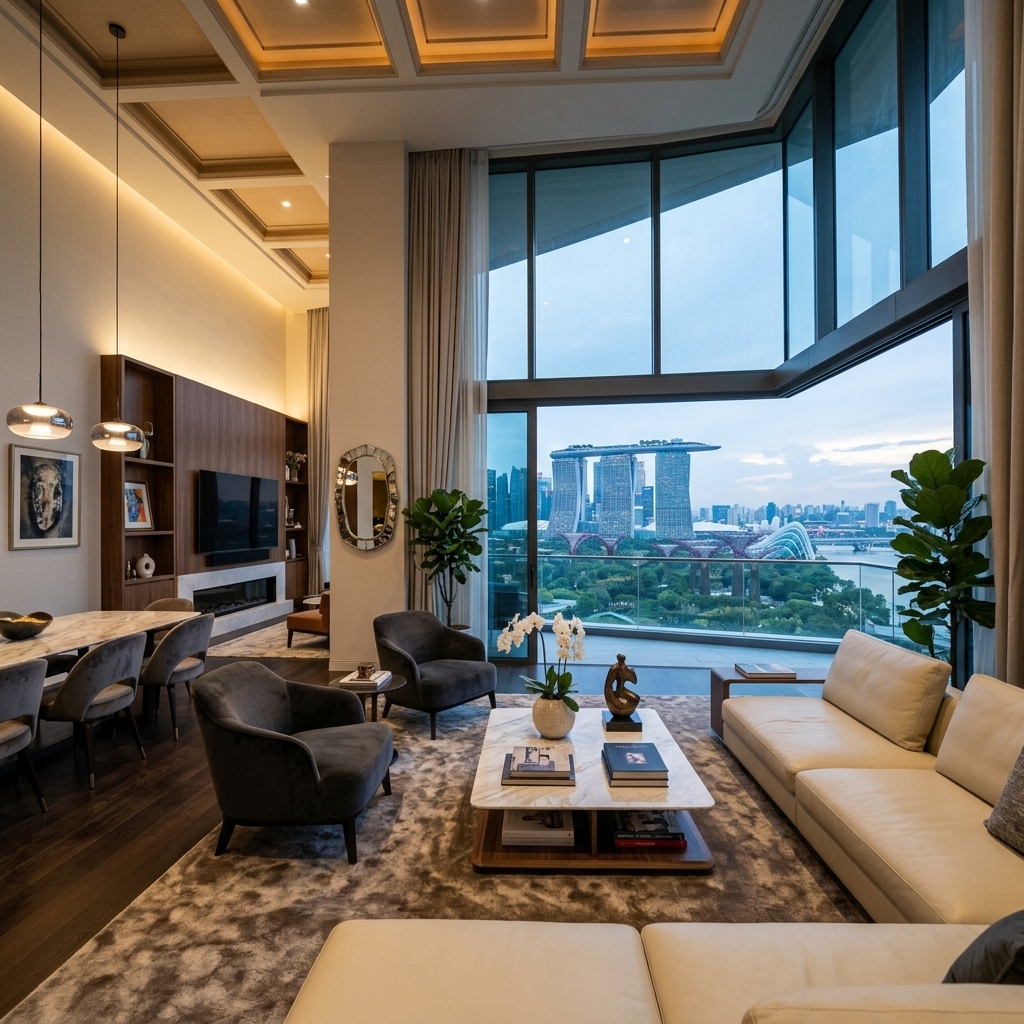
1. Introduction: The Reality of Condo Renovations in Singapore
Renovating a condominium in Singapore is vastly different from an HDB flat. While HDB guidelines are standardized across the board, private condos are governed by their respective Management Corporation Strata Title (MCST). Each MCST has its own set of bylaws, restrictions, and financial requirements. Many homeowners are caught off guard by these hidden condo renovation costs, which can quickly inflate the initial budget if not properly accounted for during the planning phase.
Understanding the intricacies of MCST regulations is crucial for a smooth and cost-effective renovation journey. In this comprehensive guide, we will break down the hidden costs you must anticipate, how to navigate MCST approvals, and practical strategies to keep your condo renovation budget intact.
“Most homeowners budget perfectly for their interior design and carpentry, but completely overlook the MCST-related fees. A lack of foresight regarding protective coverings, haulage, and PE endorsements can easily cost an extra few thousand dollars before the real work even begins.” – James, Founder of Nouvelle Workz
2. The Essential MCST Renovation Deposits and Non-Refundable Fees
Refundable Renovation Deposits
Before any hacking or drilling can commence, your MCST will require a renovation deposit. This is a security measure to cover any potential damages to common property (like lifts, corridors, or lobbies) caused by your contractors. While this is technically refundable, it requires upfront cash liquidity. Depending on the exclusivity of the condo, this deposit typically ranges from $1,000 to $5,000. If your contractor is careless and scratches a lift panel, deductions will be made from this amount.
Non-Refundable Administrative and Haulage Fees
Unlike HDB flats where haulage (the transportation of materials and debris) is relatively straightforward, condo haulage is strictly regulated. Many MCSTs charge a daily or project-based haulage fee for the use of service lifts and common areas. Additionally, there are administrative fees for processing the renovation application. These are sunk costs that will not be returned to you.
| Fee Type | Estimated Cost (SGD) | Refundable? |
|---|---|---|
| Renovation Deposit | $1,000 – $5,000 | Yes (If no damages) |
| Haulage & Disposal Fee | $200 – $800 | No |
| MCST Admin Fee | $50 – $150 | No |
3. Protection Protocols: Corridors, Lifts, and Lift Lobbies
Condo management places a very high premium on maintaining the pristine condition of common areas. Before a single bag of cement is brought up, the contractor must install extensive protective coverings. This usually includes corrugated boards, PVC sheets, and corner guards lining the designated service lift, the path from the unloading bay, and the corridor leading to your unit. Some premium condos even dictate the specific type and thickness of the protective material.
The cost of supplying, installing, and eventually removing these protective layers is borne by the homeowner. Depending on the distance from the loading bay to your unit, this “Protection Fee” can easily add $300 to $800 to your overall bill. If your contractor fails to comply with the MCST’s standards, work will be halted immediately, causing further delays.

4. Professional Engineer (PE) Endorsements and Structural Approvals
When Do You Need a PE?
If your renovation involves altering the layout—such as knocking down a wall to merge two bedrooms, enlarging a doorway, or even constructing a heavy feature wall—you cannot proceed without structural clearance. Unlike HDB where approvals are centralized, condos require you to hire an independent Professional Engineer (PE) to assess the works and officially endorse that they do not compromise the building’s structural integrity.
PE endorsement fees are entirely separate from your contractor’s quote. A standard PE consultation and endorsement for a simple wall hacking job usually costs between $600 and $1,200. For more complex structural alterations, or if the MCST requires detailed floor plans and load-bearing calculations, this fee can escalate significantly.
“Never assume a wall is hackable just because it looks like a partition. Always consult the original condo floor plans and get a PE to sign off. Doing illegal hacking in a condo will result in severe legal action and massive reinstatement costs mandated by the MCST.” – James, Founder of Nouvelle Workz
5. The Cost of Time: Restricted Working Hours and Project Delays
Time is quite literally money in renovations. HDB guidelines generally permit renovation works from 9:00 AM to 6:00 PM on weekdays, and quieter works on Saturdays. However, MCST rules for private condos are far more restrictive. Most condos limit noisy works (hacking, drilling) to a very narrow window, typically 10:00 AM to 4:00 PM, and strictly prohibit any form of work on weekends and public holidays.
These constrained hours mean that a project which would take six weeks in an HDB might stretch to eight or ten weeks in a condo. This extended timeline translates to higher labor costs. Furthermore, if you are renting an alternative accommodation while waiting for your condo to be ready, every week of delay adds directly to your living expenses. Always buffer at least 20% more time for a condo renovation compared to a standard HDB project.
6. Plumbing, Electrical, and Air-Conditioning Complexities
Concealed Piping and MCST Limits
Condos generally have concealed piping and complex centralized systems (like water heaters or air-con ledges) that differ dramatically from HDB flats. If you wish to relocate a bathroom sink or alter the air-conditioning trunking, you may encounter strict MCST rules prohibiting modifications to the building’s main discharge pipes. Retrofitting new plumbing to comply with these restrictions often requires specialized fixtures and custom carpentry to conceal the new routing, driving up material and labor costs.
Air-Conditioning Ledges and Scaffolding
Changing air-con compressors in a condo can be a costly affair. If the designated air-con ledge is difficult to access or located on the external facade without safety barriers, the MCST will mandate the erection of proper scaffolding or the use of boom lifts by certified personnel before installation can occur. This safety requirement can easily add hundreds or thousands of dollars to an otherwise straightforward air-con replacement.
7. Balcony and Facade Regulations
The exterior appearance of a condominium is strictly controlled to maintain a uniform aesthetic and preserve property values. If you plan to install invisible grilles, outdoor blinds, or even change the floor tiles on your balcony, you must adhere to the MCST’s approved color schemes and materials. For example, if the MCST only allows dark bronze invisible grilles, you cannot opt for cheaper silver ones. Furthermore, erecting any form of awning or structure that alters the building’s facade is universally forbidden without a complex approval process that often requires a general meeting vote from all residents.
8. Waste Disposal and Specialized Dumping
Disposing of construction debris in a condo is highly regulated. You cannot simply leave debris at the loading bay. Contractors must arrange for private disposal services to transport the waste to approved dumping grounds. Because condos often have strict limits on vehicle heights entering the basement or loading areas, standard large disposal trucks might not fit. This forces contractors to use smaller, more expensive transport vehicles, requiring multiple trips to clear the debris. The specialized disposal logistics can increase your overall hacking and dismantling budget.
9. Contractor Insurance and Liability Coverages
Unlike HDB properties where basic contractor insurance suffices, private MCSTs often mandate comprehensive insurance coverage. This includes Public Liability Insurance and sometimes Contractor’s All Risk Insurance with a very high minimum coverage limit (e.g., $1 million to $2 million). If your chosen contractor’s existing policy does not meet the MCST’s stringent requirements, they will need to purchase a project-specific extension. This additional premium is invariably passed on to you, the homeowner, adding another subtle layer to your hidden condo renovation costs.
10. Summary: How to Budget for Condo Renovation Hidden Costs
To safeguard your finances, it is imperative to set aside a specific “MCST Contingency Fund” separate from your interior design and furnishing budget. We recommend buffering an additional 10% to 15% of your total renovation cost specifically for these hidden fees, deposits, PE endorsements, and potential timeline extensions.
Always request the official renovation guidelines from your MCST before signing any contracts with an Interior Designer or Contractor. Reviewing this document early will highlight exactly what is permissible, what deposits are required, and what hidden costs you are about to incur.
Ready to Transform Your Space?
Explore our top-rated HDB & Residential Renovation Services in Singapore, or view our latest Project Portfolio to see our workmanship.
Contact our expert team at Nouvelle Workz for a direct contractor quote and avoid ID markups.